How to play Casual Cube?
- Move left: Left Arrow key to make the cube jump toward the left side.
- Move right: Right Arrow key to make the cube jump toward the right side.
Why is Casual Cube so fun?
The Casual Cube looks extremely simple. There are only two main inputs, and the basic goal is just to keep climbing. However, the game creates variety through power-ups, changing obstacles, surprises, and the need to make fast decisions.
The combination of easy controls and difficult timing gives the game a strong “one more try” feeling. You can understand the basic gameplay almost immediately, but improving your performance takes practice.
Grabbing the power-ups
Power-ups are one of the features that make each climb more interesting. They appear along the route and can encourage you to take a different direction.
Sometimes a power-up is placed directly in your natural path, making it easy to collect. In other situations, you may need to choose a less comfortable route to reach it. This creates an interesting decision: should you take the reward or stay on the safer path?
The best approach is not to collect every power-up automatically. Look at the surrounding area first. If the power-up is easy to reach and does not put the cube in danger, it is worth grabbing. If collecting it requires a risky jump, staying alive may be more important.
This risk and reward element gives Casual Cube more depth than its simple control system suggests. It also encourages players to explore different routes and learn how each situation works.
Simple and beautiful graphics
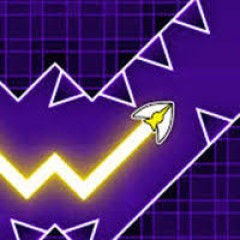
Casual Cube uses a stylized look that keeps the cube, platforms, and obstacles easy to recognize.
The simple graphics also help players focus on the most important part of the experience: deciding where to jump. There are no complicated menus or crowded visual effects competing for attention.
This clean presentation creates an interesting contrast. The game looks calm and simple, but the actual climb can become tense when obstacles appear quickly or the route becomes harder to predict.
The visual simplicity also makes the game approachable for casual players. You can understand the basic situation on the screen without spending time learning complicated visual information.
Watching for the surprises
Unexpected surprises are an important part of the challenge. A section may look safe at first, only for a new obstacle or dangerous situation to appear as you continue climbing.
This means you should not rely completely on a pattern from your previous attempt. Even if you think you know what is coming, keep watching the stage.
The safest habit is to stay alert when the level suddenly feels easy. A calm section can quickly change, and moving automatically can lead to a mistake.
These surprises also make repeated attempts more interesting. After failing once, you can return with a better idea of what to expect and try a different response.
Get back at your enemies
The idea of getting back at your enemies adds a playful action-game feeling to the experience. However, the main challenge remains focused on surviving the climb rather than using a complex combat system.
Your attention should stay on the route ahead, the available power-ups, and the obstacles that can end your run. The simple control system keeps the gameplay focused instead of adding a large set of complicated actions.
This makes the game accessible to players who enjoy quick arcade challenges but do not want to learn a long list of controls.
Enter the void
The climb in Casual Cube can feel like a journey into an unknown space. The stage does not reveal everything at once, so you discover more of the route as the cube moves upward.
This creates a sense of uncertainty. You may have a good idea about your next jump, but the area beyond it can still contain something unexpected.
The possibility of discovering a new obstacle or route keeps each attempt engaging. You are not simply repeating a fixed sequence of movements. You are constantly reading the stage and making decisions based on what appears in front of you.
Unlock new characters
Character variety can give players another reason to continue exploring the game. New character options can make repeated runs feel more personal and give players something else to look forward to.
Even when the basic gameplay remains the same, changing the character can make the experience feel fresh. For a short arcade platformer, small customization elements like this can add extra motivation to keep playing.
Tips for playing Casual Cube
Look one or two jumps ahead
Do not stare only at the cube. The next section of the stage is more important than your current position.
Try to identify the safest route before the cube reaches the next jump. This gives you more time to react and makes your movement more deliberate.
Do not chase every power-up
Power-ups are tempting, but not every pickup is worth the risk. If collecting one requires a difficult jump toward a dangerous area, consider staying on the safer route.
A long run is usually more valuable than one risky pickup.
Avoid playing on autopilot
One of the easiest ways to lose is to assume the next section will follow the same pattern as the previous one. The game uses surprises to punish this habit.
Stay alert even when the route looks familiar. Check the upcoming area before committing to your next move.
Keep your hands ready
Since the game uses only left and right movement, keep one finger ready for each direction. This allows you to react quickly without looking down at the keyboard.
The fewer unnecessary hand movements you make, the more attention you can give to the stage.
Learn from every failed attempt
A failed run is useful because it shows you where your decision went wrong. Maybe you reacted too late, followed the wrong side, or took a risky power-up.
Instead of simply repeating the same action, remember what happened and adjust your next attempt. This is one of the main ways to improve your performance in Casual Cube.